Uncategorized

God of War TV Actor Responds to Backlash, Fans Anticipate Resolution Comparable to ‘Ugly Sonic’ Solution

**Amazon’s Live-Action *God of War* Series: Initial Responses and Controversy**

Recently, Amazon presented a first look at its eagerly awaited live-action interpretation of the legendary video game series *God of War*. The reveal ignited immediate and fervent reactions across social media, as fans communicated both confusion and amusement over the promotional image showing Ryan Hurst as Kratos alongside young actor Callum Vinson as Atreus. The image, aimed at generating buzz for the upcoming series, instead left many questioning the creative decisions made.

Hurst’s depiction of Kratos, a character recognized for his formidable presence and intricate personality, appeared to fall short for some viewers. Shortly following the reveal, Hurst took to Instagram to reply to the increasing backlash. He posted a cryptic message advising fans to “Don’t believe everything you see on the internet, kids.” This remark has raised eyebrows, particularly considering the image in question was an official release from Amazon’s marketing team rather than an unauthorized leak or a fan creation.

The promotional image was met with doubt, as fans speculated whether it was a clumsily executed version that could benefit from improvements, making comparisons to the notorious “ugly Sonic” situation from the *Sonic the Hedgehog* live-action film. In that instance, fan dissatisfaction concerning the initial design prompted considerable alterations before the movie’s release, as the studio devoted time and resources to refine Sonic’s appearance. Some *God of War* loyalists are hopeful that Amazon might adopt a similar strategy, leveraging fan feedback to elevate the visual quality of its series.

The initial response to promotional content for television shows and films frequently tends to be divisive, with many fans recalling prior occasions where first-look images or trailers did not encapsulate the essence of the final product. The debut of James Gunn’s Superman reboot, for example, underwent significant examination over a seemingly trivial scene that raised concerns among fans regarding the film’s tone and direction. Such early impressions can act as a litmus test for studios, enabling them to modify costumes, makeup, and other production aspects based on audience reactions.

As fans remain split regarding the *God of War* series’ future, speculation continues about the authenticity of the image and Hurst’s comments. Is the promotional image a true representation of Kratos as he appears in the series, or is Hurst alluding to adjustments already made in response to the visual feedback? The uncertainty surrounding these questions has only amplified anticipation and intrigue about the series’ evolution.

As the release date draws near, both fans and critics will be intently observing how Amazon addresses these issues and whether it can transform initial doubt into excitement for what many hope will be a loyal and captivating adaptation of the cherished franchise.


Uncategorized

“Outbound: An Inviting Survival Simulation Merging Zen-Inspired Van Upkeep and Firewatch Features at Steam Next Fest”

### The Tranquil Journey of Outbound: A Comforting Survival Game

Venturing into the domain of easygoing gameplay, *Outbound* stands out as a refreshing departure from the frequently harsh survival genre, championed by titles such as *The Long Dark*. Brought to life by Square Glade Games, *Outbound* provides players with a soothing survival experience free from the life-or-death pressures that characterize many modern games. Focusing on exploration and camaraderie, *Outbound* beckons players to rediscover the simple joy of just being in an expansive, open world.

#### Overview of Outbound

*Outbound* is a campervan driving survival game that immerses players in a fanciful yet tranquil universe. In contrast to its predecessor *The Long Dark*, recognized for its suffocating atmosphere and unyielding challenges, *Outbound* embraces a lighter spirit and a feeling of community even in solitude. Here, starvation is not a looming threat; instead, you’ll merely faint from hunger, prompting players to explore and experiment rather than just survive.

#### Gameplay Mechanics and Exploration

The gameplay mechanics in *Outbound* are uncomplicated and crafted to be easygoing. Players can engage in light crafting, search for food, and interact with the animal residents of the world. The game promotes exploration at a leisurely pace—there are no strict objectives to meet, only delightful hints to discover new places or unlock blueprints. This unhurried approach nurtures a relaxed ambiance, enabling players to connect with nature, build comfy homes, cultivate gardens, or simply savor the sunset with adorable bunnies.

The design of the game prioritizes fun over competition. Players can immerse themselves in various activities like farming or gathering animals, fostering a charming sense of progress without the anxiety of failure. You’re not merely surviving; you’re flourishing in a world that resembles home more than a battlefield.

#### Themes of Companionship and Relaxation

A core theme in *Outbound* is the exploration of companionship, focusing on animals instead of humans. Gentle, heartwarming interactions with the wildlife evoke a sense of joy reminiscent of animated films. Whether it’s assembling a bunny brigade with berries or taking your dog on a picturesque drive, *Outbound* promotes a friendly coexistence with nature, sharply contrasting with the harsher truths present in other survival games.

Critics who dismiss *Outbound* as “cozyslop” may overlook the essence of the game’s allure. The lack of a dominant narrative or taxing challenges encourages players to adopt a Zen-like philosophy, allowing them to find beauty and fulfillment in simplicity.

#### Final Thoughts

With an anticipated release before summer 2026, *Outbound* aims to provide a unique haven for players eager to escape the relentless demands of typical survival games. It’s not about competing for the top score or conquering daunting challenges; rather, it’s about savoring the delightful moments life has to offer—one charming encounter and one scenic drive at a time. For those prepared to embark on a cozy, serene adventure, *Outbound* is set to offer an experience filled with charm, warmth, and endless opportunities for enjoyment.

Uncategorized

First Availability Beyond Japan in 27 Years: PlayStation Retro Anime Parody Launched

### Time Warp: Contemplating ‘That ’70s Show’ and Cultural Milestones in Gaming

Within the domains of pop culture and nostalgia, time frequently warps in strange manners, particularly when evaluating periods that appear remote yet are linked in shared memory. A notable illustration of this occurrence is the disparity in time elapsed between the premiere of *That ’70s Show* and the present day, contrasted with the interval between the show’s backdrop in the 1970s and its debut in the late 1990s. This intriguing chronology has left enthusiasts of the series reflecting: the 27 years that have gone by since *That ’70s Show* seems more extensive than the 27 years that divide the show from the authentic 1970s.

This contemplation reaches beyond television. The history of gaming presents similar timelines with cultural landmarks that resonate the nostalgia of bygone days. Consider, for example, *Robot Anime Geppy-X*, which launched on the original PlayStation in 1999. This release occurred a mere 27 years following the introduction of *Mazinger Z*, a fundamental part of mecha anime that initially broadcasted in the 1970s. As the gaming sector has progressed, titles like *Geppy-X* act as whimsical reminders of earlier media, forging links between fan bases across various timelines.

Debuting in 1999, *70s-style Robot Anime Geppy-X* is a loving satire of the mecha genre, drawing inspiration from cherished ’70s anime such as *Getter Robo* and *Mazinger Z*. The game is classified as a sideways shoot-em-up, featuring mechanical adversaries and engaging participants in absurd and humorous situations reflective of classic anime conventions. With lively robo-opera episodes, increasingly ludicrous transformations, and fitted disco-themed outfits, *Geppy-X* has established a unique position as a cult classic in Japan, recognized for both its gameplay and its nostalgic allusions.

The initial four-disc launch of the game was ambitious, not only including its gameplay but also featuring an abundance of visual content reminiscent of Saturday morning cartoons. Players enjoyed full-motion video cutscenes that captured the playful spirit of its original source, along with parody commercials that spoofed vintage anime and pop culture.

Recently, *70s-style Robot Anime Geppy-X* saw an official remastered release on Steam, marking its inaugural foray outside of Japan. The remaster comes with new localized language options and rejuvenated full-motion cutscenes, enhancing the experience for both long-time fans and newcomers. Despite the technical restrictions of the original PlayStation, which had a resolution of 320×240, the remaster utilized digitized original master tapes to guarantee a quality nostalgic experience that resonates with ‘90s gamers.

This remastered iteration of *Geppy-X* is poised to engage a new demographic, including those who were raised in the ‘90s, consuming media that parodied entertainment from earlier decades. With its release, *Robot Anime Geppy-X* continues to bridge generations and cultural recollections, showcasing how the flow of time can unite disparate epochs through cherished themes and humor.

Uncategorized

Weekly Summary of Sunday Newspaper Highlights

Sundays are for wondering why the neighbour’s cat is mad at you. I thought we were getting along well – I’ve been letting her into the block regularly, and we have a little ritual where she runs partway up the stairs, and I do Mousey Fingers through the bannister. We had a little ritual, anyway. The last few times, she’s hissed at me and run away. “Ho ho, you goofball,” I say, as my heart quietly implodes. “Cats are so weird,” I chuckle, tears dripping from my chin, as I hurry into my flat.

Read more

Uncategorized

Former Highguard Level Designer Suggests Wildlight’s Struggles Stem from Overemphasis on Competitive Scene

A few years ago, it’s entirely possible that Highguard isn’t the current talk of a town called Didn’t Work. But now, when everyone wants a piece of the live service pie, it’s not so easy to come in and claim some for yourself. We could spend an eternity figuring out what went wrong, but perhaps the words of former senior level designer on the shooter Alex Graner will provide a particular insight that the comment section of an annoying YouTuber won’t.

Read more

Uncategorized

“Mightreya: A Complex Anime Superhero Fusion of Devil May Cry and Gravity Rush”

I’ve had my eye on Mightreya since long before it had its name, when it was just clips of a somewhat generic anime girl doing sick tricks and beatdowns in levels without assets. But now it looks like a genuine (the -uine pronounced like wine, so you’ve got the right intonation) action video game, with a slightly less generic looking anime girl continuing to do sick tricks and beatdowns, albeit with a bit more context. And you can even try it out for yourself now with a new demo! Which I did and will tell you about thusly.

Read more

Uncategorized

Chaos Breaks Out at Pokémon Store During 30th Anniversary Pikachu Plush Launch as Fans Blame Scalpers for Problems

### Pokémon Marks 30th Anniversary with Unprecedented Demand for Limited-Edition Merchandise

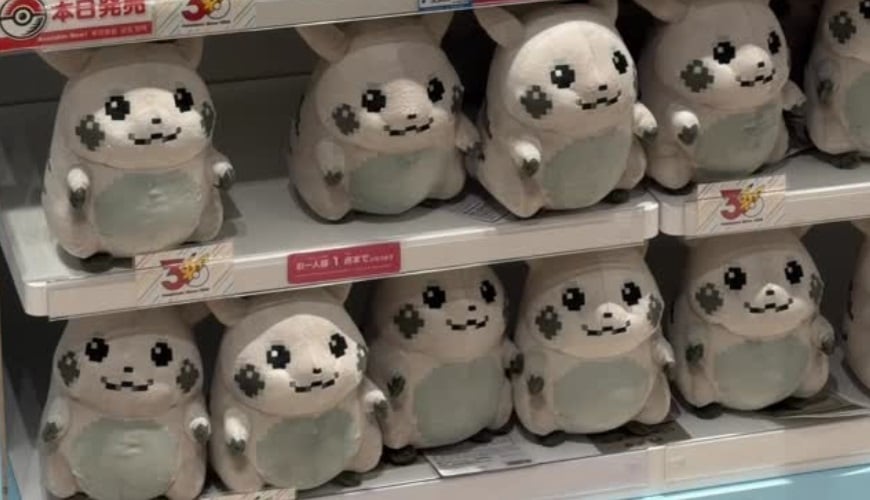
On February 27th, 2026, the Pokémon franchise commemorated its 30th anniversary, a landmark event that The Pokémon Company celebrated with the introduction of unique merchandise, which included a Game Boy-inspired black and white Pikachu plush. This launch, however, triggered wild reactions at various Poké Centers throughout Japan, with accounts of turmoil particularly noted at the Tokyo Bay venue.

One observer, user aeroflotlove, posted a video showcasing the chaos that unfolded as fans surged into the store at opening time without prior ticketing or queue management in effect. The scene, described as “total war,” featured shoppers aggressively pushing each other as they rushed to grab the limited-edition plushie. Reports indicated that children were caught in the mayhem, resulting in cries of distress amidst the frenzy.

The uproar was not confined to the Tokyo Bay Poké Center, as comparable occurrences were noted at other venues, including Yokohama and Osaka. Content creator Chris Explorer captured the tumult from outside the Tokyo Bay store, emphasizing the urgency of the scenario as staff sought to organize the crowd using megaphones.

This frantic pursuit for the exclusive plush highlights a larger issue within the Pokémon community—the persistent scalping crisis, where limited-release items are swiftly acquired for resale at inflated prices. While several online users attributed scalping as a key factor contributing to the chaotic situations in stores, a positive development arose shortly after the disorder; The Pokémon Company declared intentions to offer the monochrome Pikachu plush for order via their website, enabling fans to secure it without engaging in the melee.

The occurrences took place amid a backdrop of diminishing demand for Pokémon cards, with some specialty retailers in Japan reporting closures due to reduced sales over the previous year. This has prompted speculation that the speculative bubble surrounding Pokémon merchandise might be nearing its limit, indicating that the significant demand observed during the anniversary could represent an outlier associated with the festivities.

As fans look forward to more accessible opportunities to acquire Pokémon products in the future, the chaos of the 30th anniversary stands as a testament to the fervent commitment of the community, as well as the intricacies surrounding collectible merchandise in the current market environment.

Uncategorized

Exploring the Scenic Megastructure World of Hypnos: An Engaging Demo Experience

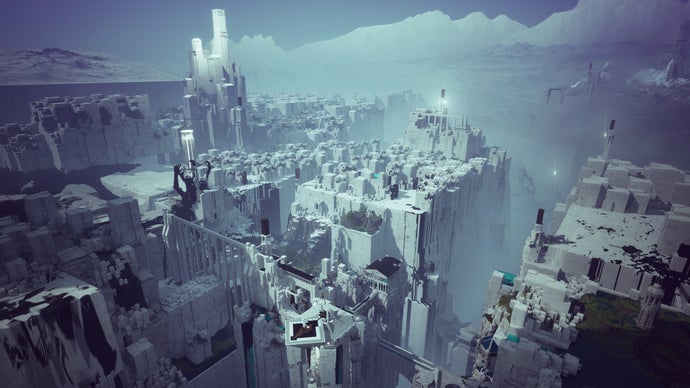
When I first wrote about Hypnos upon its announcement last month, I noted how I don’t really know what you do in it. The trailer was entirely about The Vibes, but that was enough for my mechanically minimalist loving heart. I’ve now had a go at the demo, and to tell you the truth, I’m still not entirely sure what you do, and I couldn’t give a monkeys because oh me oh my, what a pretty world it does contain.

Read more

Uncategorized

A Handbook for Selecting the Optimal Beginning Pokémon in FireRed and LeafGreen

### Pokémon FireRed and LeafGreen: Selecting the Optimal Starter Pokémon

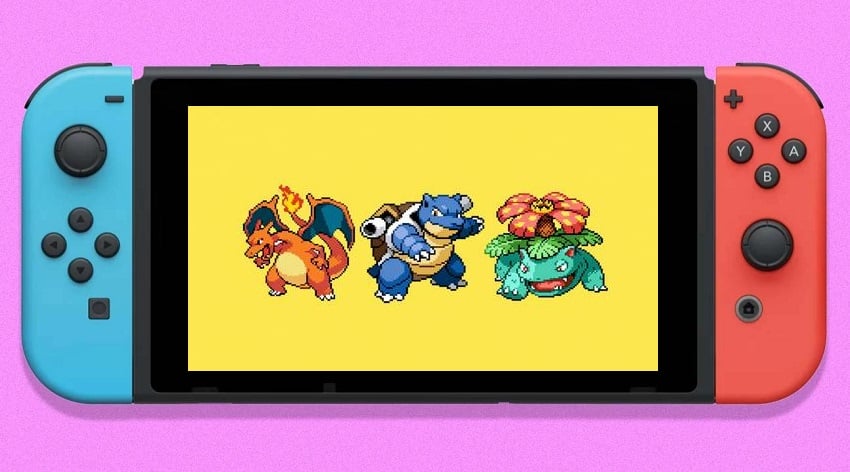
Pokémon FireRed and LeafGreen have arrived on the Nintendo Switch, enabling enthusiasts to relish the nostalgic allure of the Kanto region as part of the franchise’s 30th anniversary celebration. With countless players immersing themselves in this classic, one of the enduring questions remains: which starter Pokémon to select? The choices are Bulbasaur, Charmander, and Squirtle—each possessing distinct advantages that can influence your adventure. Below is a summary to assist in your choice, although the final decision should be based on which Pokémon appeals to you personally.

#### Bulbasaur

Bulbasaur is a Grass/Poison-type starter recognized for its solid toughness. It evolves into Ivysaur at level 16 and subsequently into Venusaur at level 32, evolving four levels sooner than its rivals. Bulbasaur is especially advantageous against the initial two Gym Leaders: Brock and Misty, as their Pokémon weaknesses grant this starter a significant advantage.

Essential moves for Bulbasaur include Sleep Powder, Leech Seed, Giga Drain, and Sludge Bomb. Sleep Powder is crucial for strategy, facilitating battle flow management, while Giga Drain and Sludge Bomb provide sustainability and damage options. With high HP and effective status moves, Bulbasaur is an attractive pick for trainers who favor a balanced tactical style.

#### Charmander

Charmander, the Fire-type starter, has secured its place as a beloved choice among fans, largely due to its appealing design and its ultimate evolution into Charizard—a powerful Fire/Flying-type. Charmander evolves into Charmeleon at level 16 and into Charizard at level 36, the latter proving to be highly effective in the late stages of the game.

Nonetheless, Charmander encounters difficulties early on, particularly against the first two Gyms. It can counteract this with moves like Metal Claw, useful for dealing with Brock’s rock-types. As it develops, Charmander can learn formidable moves such as Flamethrower, Slash, Earthquake, Fire Spin, and Toxic, equipping it with capabilities to dominate against various foes by exploiting type weaknesses.

#### Squirtle

Squirtle, the Water-type starter, provides both adaptability and appeal. It evolves into Wartortle at level 16 and Blastoise at level 36. Squirtle is simple to train and showcases effectiveness against Brock while maintaining strong defensive attributes throughout the game.

While it boasts solid defense, Squirtle does face challenges in Gyms three and four. It can acquire Bubble Beam from Misty, presenting a valuable special attack early in the game. Upon evolving, Blastoise gains access to powerful moves like Hydro Pump and Skull Bash, along with Ice Beam and Blizzard to confront dragon-types, ensuring a well-rounded offensive and defensive strategy.

#### Which Starter Should I Pick?

In summary, if you’re seeking a well-rounded option, **Bulbasaur** is highly recommended. Its durability, ease of use in the early game, and advantageous move set render it an excellent starter. Furthermore, its evolutions offer flexibility, and the absence of strong Grass-type alternatives increases its worth. With Bulbasaur, players can embark on a solid journey, crafting a competent team while utilizing unique skills like Sleep Powder for capturing additional Pokémon throughout their adventures. Ultimately, select the starter that resonates with you the most; the main objective is to enjoy the experience the Kanto region presents.

Uncategorized

Polymarket Promotes Wagering on World War 3 as a Community Service Program

**The Ascendancy of Prediction Markets Amidst Global Unrest**

In the early dawn of February 28th, 2023, tensions escalated sharply as the U.S. and Israeli forces executed an air strike on Iran, an act many have deemed unwarranted. This action followed weeks of military maneuvering and occurred during ongoing negotiations over a nuclear agreement, a backdrop that underscores the intricacies of international diplomacy in the area. The consequences of such military actions are dire, marked by increasing civilian casualties and a swiftly developing humanitarian emergency. As the circumstances progress, a novel aspect has surfaced: the confluence of conflict and prediction markets.

Polymarket, a betting platform where individuals can wager on a diverse range of events—including geopolitical developments—has emerged as a point of interest for those seeking to assess the uncertain environment. The platform facilitates anonymous betting on occurrences that span from sports to military engagements. In light of the turmoil in Iran, numerous bettors aim to profit from the escalating disorder, utilizing their perceptions to forecast results. This contrast between gambling and international strife raises ethical dilemmas concerning the commercialization of human hardship.

In a declaration, Polymarket highlighted its function as a supplier of “impartial forecasts,” asserting that the platform provides crucial insights during “heart-wrenching times.” According to the platform, its prediction markets can act as a resource for individuals impacted by the conflict, even claiming that they can deliver insights that conventional media sources fall short of offering. However, the actual situation is significantly more intricate. The users drawn to Polymarket frequently reflect a narrow demographic whose predictions can be profoundly swayed by their biases and personal stakes.

Detractors claim that the involvement of these bettors undermines the dependability of the predictions, particularly in critical situations like war. Historical examples exemplify this apprehension; for instance, the shortcomings of political bettors in Canadian elections indicate that collective intelligence doesn’t always align with precision. Furthermore, recent controversies involving betting in professional sports reveal that both the uninformed and the over-informed can hinder the integrity of prediction markets, further complicating their usefulness.

The surge of wagering on conflict has prompted distressing inquiries regarding the ethics of profiting from warfare. In earlier instances, such as Israel’s missile attacks on Iran, anecdotal evidence indicated that some bettors may have possessed insider knowledge, hinting at a troubling reality where monetary gain could drive disorder rather than peace. The existence of anonymous bettors only intensifies this problem, creating a possibly hazardous scenario where profits are linked to human suffering and mortality.

The financial ramifications of war—particularly in the Middle East—are intricately woven into a complicated network of interests, such as defense contracting and resource exploitation. The rise of platforms like Polymarket, which facilitate betting on the outcomes of these occurrences, raises significant questions regarding the ethical aspects of such practices. As bettors speculate on the consequences of military actions, the stakes transcend individual financial gain; they engage with moral issues that invite examination.

In a context where prediction markets converge with global conflict, the way forward necessitates a thorough investigation into the motivations and repercussions associated with these platforms. The commercialization of events that lead to suffering raises pressing questions about accountability, ethics, and the larger societal impacts. As we traverse this new landscape, acknowledging the seriousness of these matters is crucial to grasping the complete scope of modern warfare and its intersection with the global economic framework.